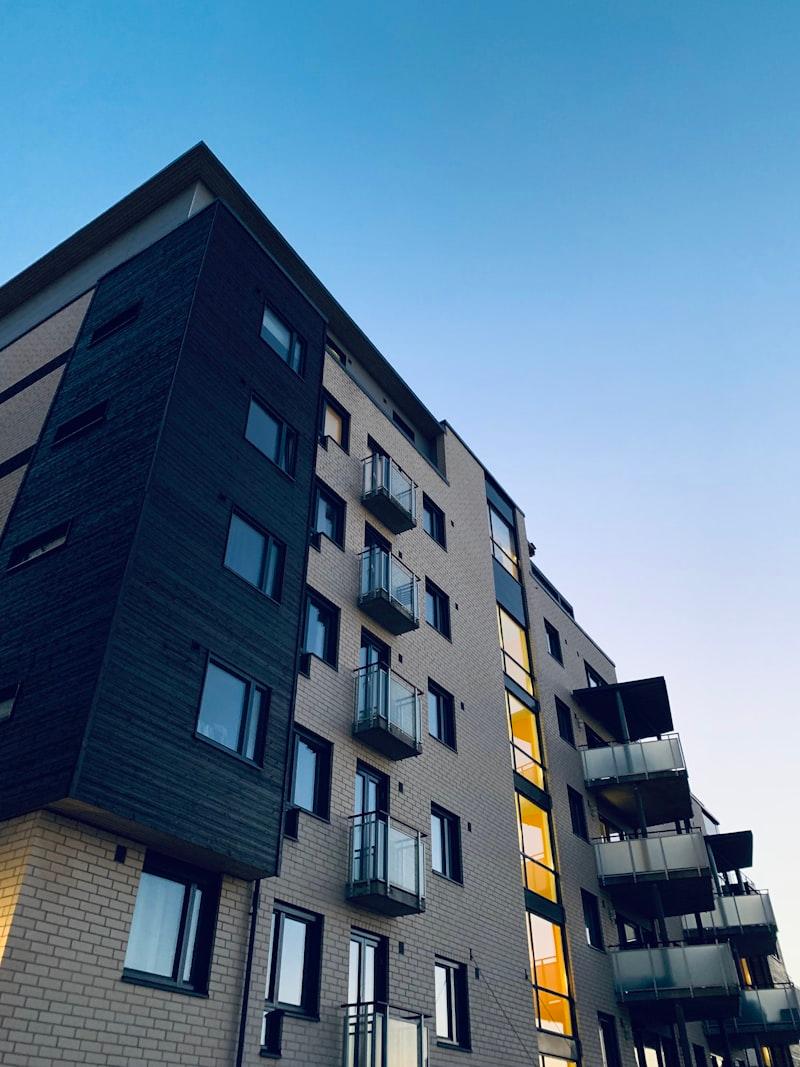
Specialized Insurance for Apartment Buildings.
Protecting what you've built. Coverage for multifamily properties, placed through a licensed insurance agency.
About Us
The Apartment Insurance Edge.
We are not a generic insurance marketplace. We specialize exclusively in apartment and multifamily insurance, understanding per-door economics, habitational underwriting, and the lender compliance requirements that general brokers overlook. Coverage is placed through a licensed insurance agency with access to admitted and excess and surplus lines markets.
See how our apartment building insurance program works, from the free coverage review to placement.
Discover MoreCoverage Options
What does apartment building insurance cover?
Apartment building insurance covers property, liability, loss of rents, and umbrella exposures. We structure programs that protect every risk apartment owners face, with lender compliance built in from day one.
View All CoverageElevating Coverage, Protecting Communities
How It Works
How do you get apartment building insurance?
You start with a coverage review, and our streamlined process takes you from that review to bound coverage in days, not weeks. Every program is structured to satisfy Fannie Mae DUS, Freddie Mac Optigo, HUD/FHA, and private lender requirements from day one.
Get StartedProperty Types
What insurance does each apartment property type need?
Each apartment property type needs coverage matched to its own risks. Find coverage tailored to your specific buildings.
Elevating Coverage, Enriching Communities.
Learn MoreFAQ
Frequently Asked Questions
Answers to the most common questions apartment owners have about building insurance.
Most apartment building owners pay between $200 and $500 per unit per year for a comprehensive insurance program, though costs vary based on location, building age, construction type, total insured value, and selected coverages. Properties in catastrophe-prone areas or with older systems may fall above this range, while newer buildings with fire suppression systems and favorable claims history often come in below it.
At minimum, apartment owners need commercial property insurance, general liability insurance, and loss of rents coverage. Most also carry a commercial umbrella policy for additional liability protection, workers compensation (if employees are on staff), and flood insurance where required. Depending on the property, equipment breakdown, earthquake, cyber liability, and tenant discrimination coverage may also be appropriate.
If your property is in a FEMA-designated Special Flood Hazard Area (SFHA), your mortgage lender is federally required to mandate flood insurance. Even outside high-risk zones, flood coverage is worth considering: FEMA reports that roughly 25% of flood claims come from moderate-to-low risk areas. Standard commercial property policies exclude flood damage entirely, so a separate policy through the NFIP or a private insurer is necessary.
Loss of rents coverage, also called business income or rental value coverage, replaces the rental income you lose when a covered event such as a fire or major storm makes units uninhabitable. It pays during the restoration period while repairs are completed, typically up to 12 months. Fannie Mae requires loss of rents coverage equal to at least six months of gross potential rental income for DUS-financed properties.
There are several proven strategies to reduce premiums. Installing or upgrading fire sprinkler systems can earn significant credits from underwriters. Maintaining a clean claims history qualifies you for claims-free discounts. Choosing a higher deductible lowers your annual premium in exchange for more out-of-pocket risk per claim. Bundling coverages into a commercial package policy, investing in security systems, and shopping multiple carriers at each renewal also help control costs.
Fannie Mae's Multifamily Selling and Servicing Guide (Part III, Chapter 6) requires DUS-financed properties to carry commercial property insurance at full replacement cost, general liability with a minimum $1,000,000 per-occurrence limit, flood insurance for properties in Special Flood Hazard Areas, loss of rents coverage for at least six months of gross potential income, and other coverages as applicable. Borrowers must also name the lender as mortgagee and loss payee on all property policies.
Still have questions?
Talk to a Multifamily Insurance Specialist
Get personalized answers about your portfolio, coverage gaps, and renewal strategy.
Free Coverage Review
Get Your Free Coverage Review
Fill out the form below and a multifamily insurance specialist will contact you within one business day.
Insights
Market Intelligence for Apartment Owners.
Stay ahead of rate changes, coverage trends, and lender requirements with expert analysis from our multifamily insurance team.
Read the BlogMetro Markets